
I Accidentally Banked a Fire
Or, Adventures and Misadventures in Research

This does get to a fire. References are at the end. Query updates: 1 request, 1 personal rejection, 1 revise and resubmit offer.
Research is wonderful for writing fiction. Every tidbit you know has the potential to deepen a story, which highlights the value of reading a wide range of nonfiction. “The Rock” by Ed Caesar in The New Yorker (2020) taught me about the diamond trade and how third-century Indian merchants sought them as tools for cutting gemstones. Pliny the Elder wrote about the same, yet diamonds were nothing I thought useful to my world-building until suddenly they were. Likewise, Coal: A Human History (Barbara Freese, 2003) surprised me with information about wagon transport and how muddy roads affected pack horses (so useful for high fantasy). Plus, I learned about coal soot and smoke causing an epidemic of rickets in 1800s London, which proved relevant when discussing an underground cult (literally underground, no sunlight) during a writing workshop.
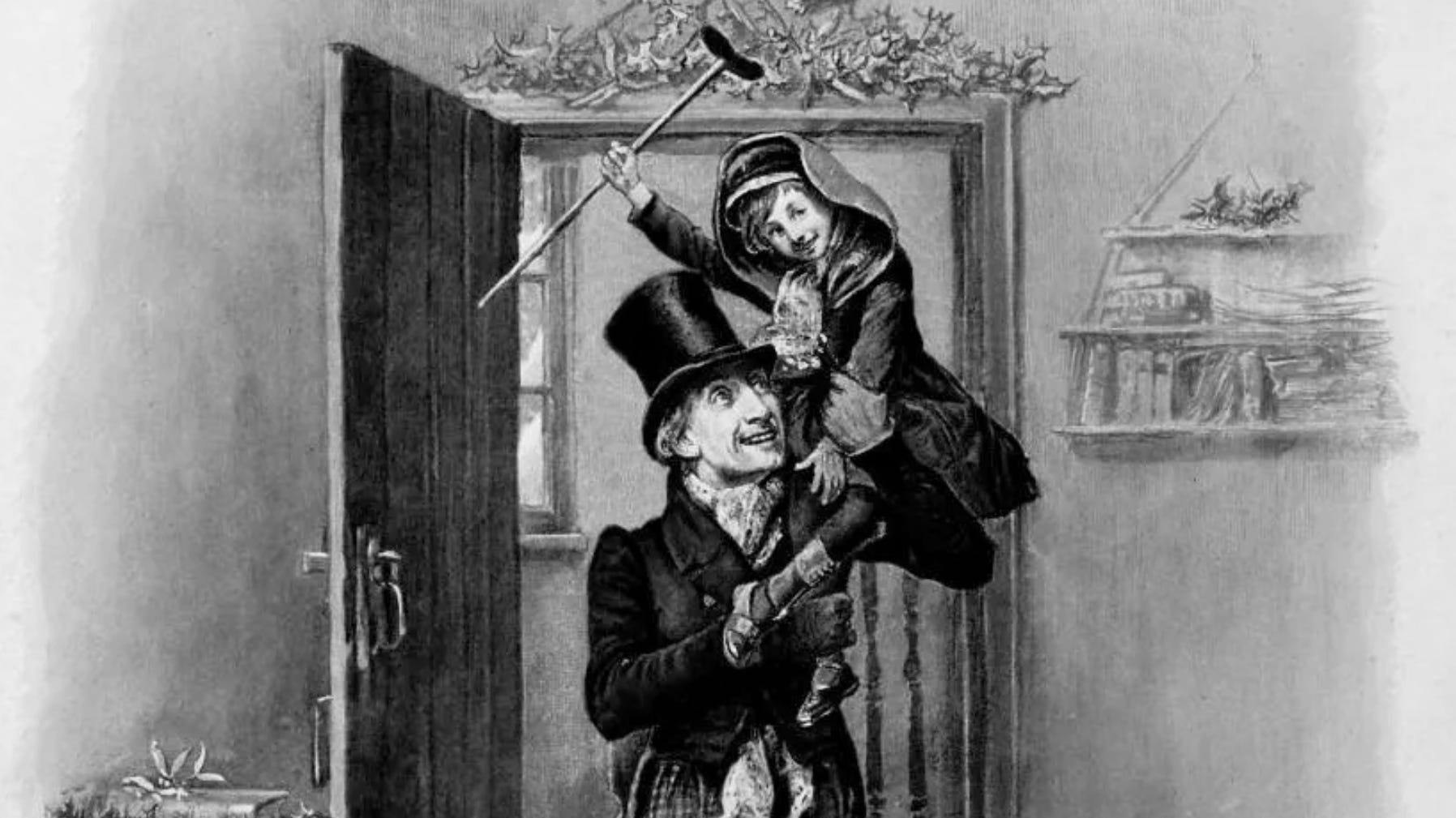
So yes, thumbs up for research, whether primary or secondary, accidental or intentional. For me, the scales tip heavily toward research given my interest in historical fiction and fantasy, and hey, that’s natural for someone with a degree in history and a love for historiography. It’s also rather important, because there’s considerable overlap in readership between historical fiction and fantasy (Johnson 595), and readers notice factual mistakes. In fact, the combo readership between the two genres is known to be keenly aware and critical of holes or inaccuracies (Johnson 2), and that awareness extends to the incorporation of both fantastical and real-world mechanics. As Audrey Isabel Taylor notes in Patricia A. McKillip and the Art of Fantasy World-Building (a great world-building analysis that I highly recommend), fantastical elements must blend into parts that are real (Taylor 9). This is the same rule that Benjamin Dreyer, the master copy editor, notes for fiction in general when stating that “real-world details must be honored,” for readers will notice if a writer has a plant growing in the wrong climate zone (Dreyer 105).
For an example of how extensive this is within the fantasy community, peek into internet forums where readers and writers alike debate whether a person can, realistically and in a pinch, ride double on a horse. This should also serve as a warning to not rely on other novels and their precedents in assuming realistic mechanics. See below.
“Fantasy writers tend to create super-horses which can move great distances, carry fantastic weights, and live on a raisin and a glass of water.” — A comment in a thread on the riding-double trope and the Sword of Truth series. See Bringing spare horses when you have to "ride hard?"
This entire conversation on Horses / Riding Double - What's possible?
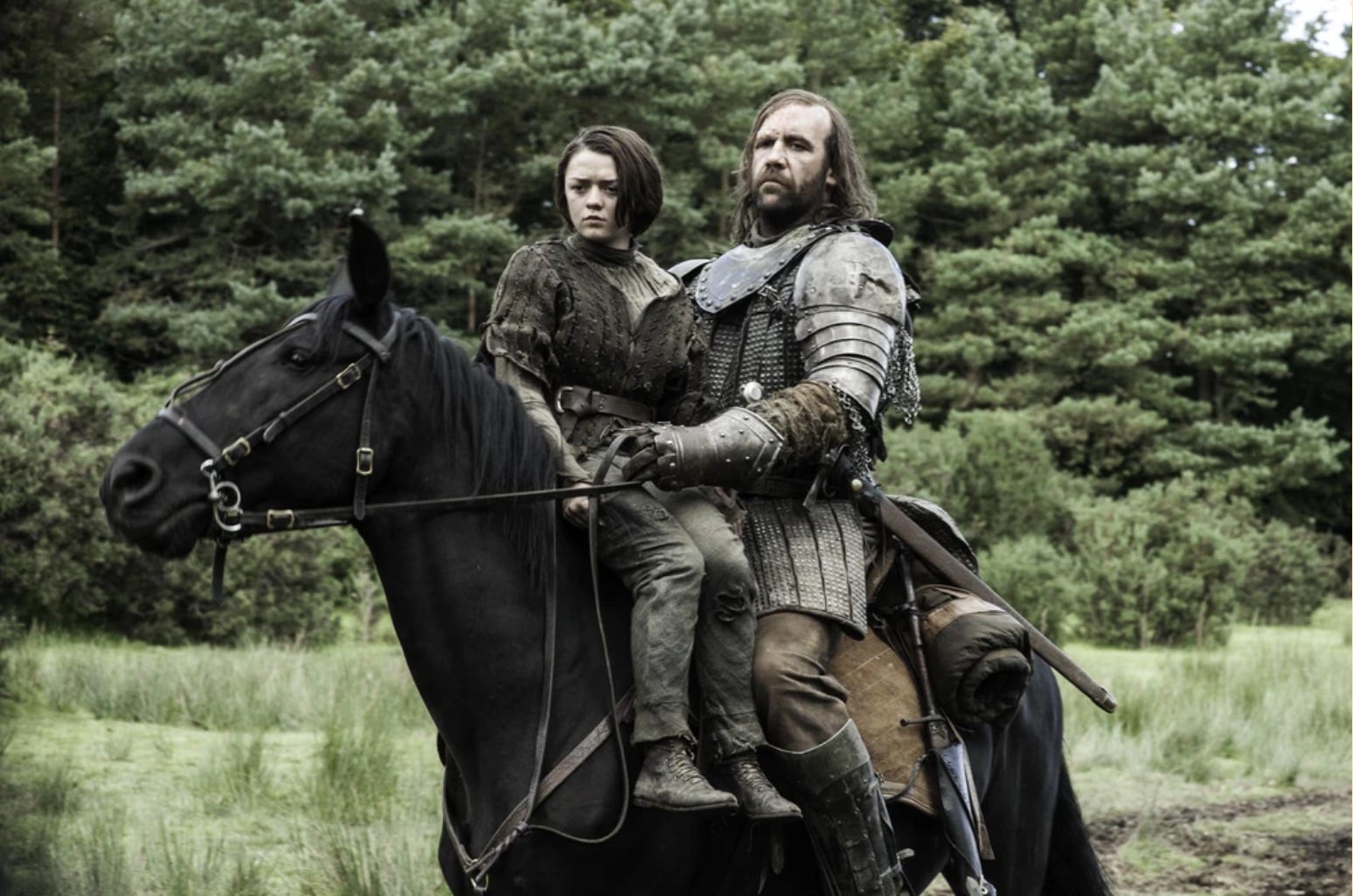
A lack of research can harm a story, whereas its presence can amplify it and even shape plot possibilities and tools. For an excellent example of how grounded details can inform a scene, see this excellent write-up (rant? snarky analysis?) by Ian Dunmore on the wrong wagon wheels in Rings of Power.
It isn’t that every tidbit gets used or shows up on page either. Research might instead inform background/offscreen world-building or, as usually happens in my case, make an idea pop into my head. Also, when you understand how something realistically works, you can twist and play with it in speculative fiction. For all that and the joys of research, sometimes the real world knocks in teeth–embarrasingly so–with a reminder: research has limits.
And so, we arrive at the camping trip and fire. 🔥🔥
On a fall night, this idiot (me) kicked ashes over the campfire. The flames had been dying, and I figured that smothering everything was good enough. No smoke? Great. Done. Except I should have doused the fire properly to avoid hazards. I figured that it was late, the area wasn’t at risk for wildfires, and restraining a fire-loving gremlin (a.k.a toddler) from throwing pinecones had me exhausted, but in truth…I was being lazy.
Never leave smoldering fires unattended. Smokey Bear should have stormed forth and smacked me senseless, but I digress.
In the morning, I brushed ashes aside and found glowing embers. No live flames remained, but my lattice of sticks and its protective layer of ash had allowed the fire to smolder overnight with reduced oxygen, and I was laughably stunned. It took me a moment to even realize what had happened, and then it hit me.
Holy schmoly, I banked a fire! I’ve written about this. My characters have done this. I just did something that my characters have done when traveling backroads. Adela Merrin did this when rising to work in a quasi-medieval kitchen. SURVIVAL SKILLS +1!
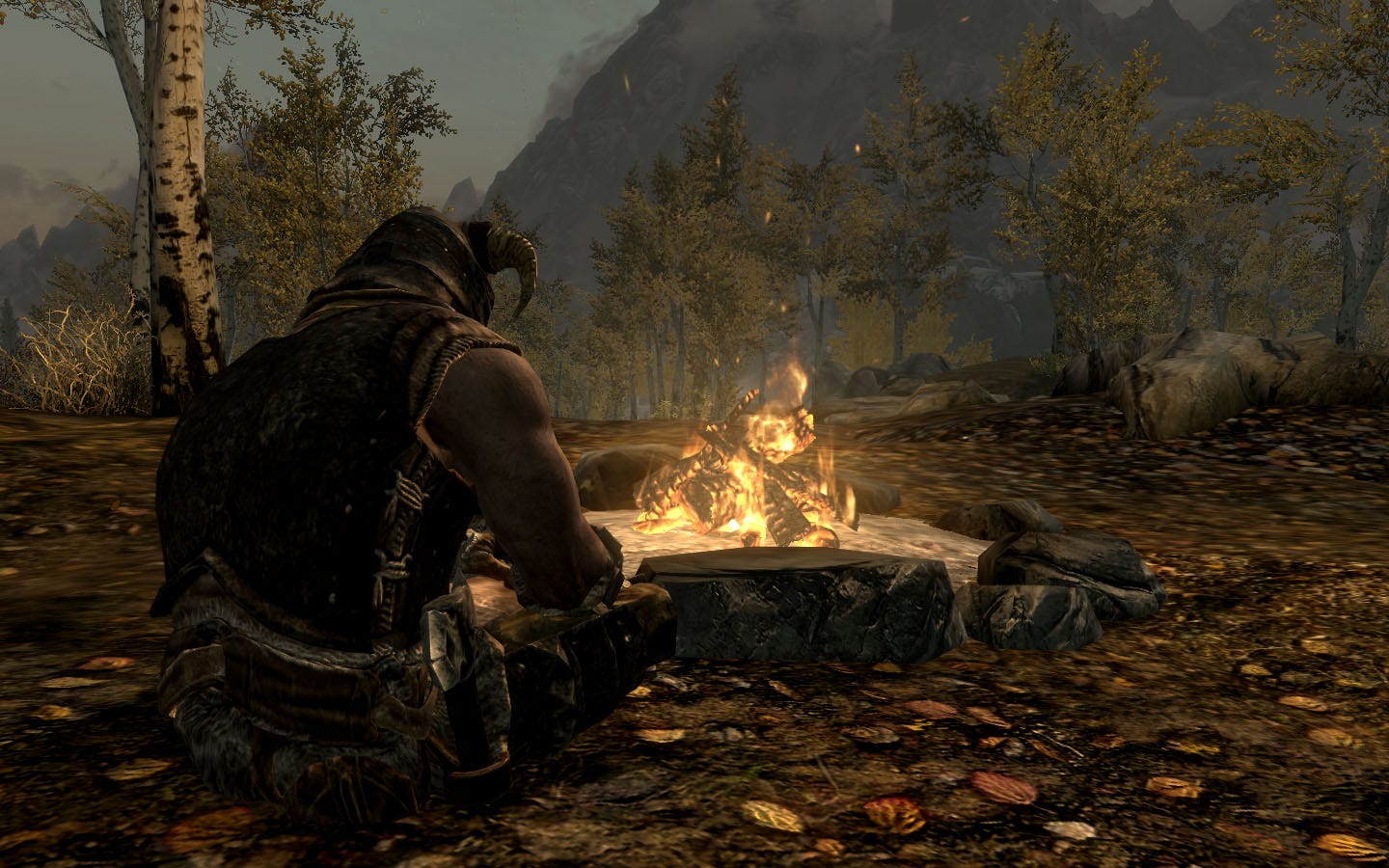
If that sounds ridiculous to you, it should. I’d accidentally done something that I’d researched for adding real-world mechanics to fantasy novels, yet had failed to recognize it. It hadn’t occurred to me that fire research, as applied to fictional characters, might also be applied to actual camping, and make no mistake, my excitement over the incident was tied to the fictional part (Westeros, here I come!). As I stoked the fire, I thought of “To Build a Fire” and wondered how appalled Jack London would be.
Jack, you can smack me after Smokey Bear calls dibs.
Regardless, the campfire incident makes me wonder what else I might overlook since I rely so heavily on research, and that’s the ongoing value I derive from the incident. Something can be well written within a novel and work for readers based on purely theoretical knowledge, but that kind of know-how is no substitute for lived experience and applied knowledge. In terms of subject-matter understanding, I’m willing to die on that hill, and I draw from firsthand experience whenever possible, even though I champion research. I also reject the idea that writers should be overly restricted based on personal experience, but there are plenty of bad examples, and that’s a topic for a different day. My point is that even in the presence of research, the banked fire raises questions about the handicaps of research and unintended blind spots, both personal and in world-building.
What might someone who’d banked a campfire numerous times see lacking in my written descriptions of it (smell, taste, textures, etc.) when I’d never experienced the same? Could I still write a passable take without having banked a fire? Possibly. I believe mindful writers accomplish such things all the time, because lord forbid if we all needed to get stabbed or shot to write characters experiencing such ouchies, but to reiterate, realism matters. Even ignoring the overlap in readership between fantasy and historical fiction, such stories rely on reader confidence that the writer understands the intricacies and mechanics. So, while it’s impossible to have firsthand experience in everything, writers can at least be aware of their limitations and seek to compensate by combining applied/lived knowledge and book research.
Here are some great examples from published authors whom I adore.
Steven Saylor drew from real historical moments while also building first-hand knowledge to better inform his writing on ancient Rome: “I did a lot of hiking…simply learning to read topo maps, understanding how geography actually works” (Haviaris 2013).
Lynn Flewelling, who wrote the Nightrunner series, once noted that “some of the best fantasists” have had “an immense knowledge of real history and culture” (Jamneck 2005). She’s referring to real-world history and research, which is reflected in the socioeconomics of her world.
Contributing authors to Sanctuary (1981) wrote their short stories while using preconstructed, fictional “maps, and notes, and pages after pages of histories” (Silver 2002). Those histories not only hint at a larger world brainstormed by people with diverse knowledge and experience, but provide groundwork based in reality, like taxation, public punishment, historical entertainment, etc. If magic were removed, the world would still function.
So there you have it. Hopefully, this post is a kick to keep learning and consuming nonfiction, to look for the blind spots within your own lived experience, and to compensate with research to deepen stories. Besides, you might one day encounter an opportunity to apply research in the wild, whether tying a slipknot or, yes, banking a fire. Take it from this idiot, you’ll be thrilled when it happens.
References below. Also:
REFERENCES
If you’re curious about Sanctuary, this short story is my favorite: Asprin, Robert Lynn. “The Price of Doing Business.” Sanctuary. Nelson Doubleday Inc., 1981.
Caesar, Ed. “The Rock.” The New Yorker. 3 February 2020.
Dreyer, Benjamin. Dreyer’s English: An Utterly Correct Guide to Clarity and Style. Random House, 29 January 2019.
This book came early in my fantasy finds and sparked a deep love of world-building: Flewelling, Lynn. Luck in the Shadows. Bantam Books, 1996.
Freese, Barbara. Coal: A Human History. Perseus Publishing, January 2003.
Haviaris, Adam. “An Interview with Steven Saylor.” Writing the Past, 23 February 2013, http://writingthepastblog.blogspot.com/2013/02/an-interview-with-steven-saylor.html.
Jamneck, Lynne. “An Interview with Lynn Flewelling.” Writing-World.com, 2005, https://www.writing-world.com/sf/flewelling2.shtml.
Johnson, Sarah L. Historical Fiction II: A Guide to the Genre. Libraries Unlimited, 2009.
If you’re starting with Steven Saylor, this novel was assigned in a Roman history class years ago and remains a favorite: Saylor, Steven. Catilina’s Riddle. St. Martin’s Minotaur, 1993.
Science Fiction & Fantasy. “Bring spare horses when you have to ride hard?” Posted in 2016. https://scifi.stackexchange.com/questions/86396/bringing-spare-horses-when-you-have-to-ride-hard.
SFF World. “Horses /Riding Double – What’s Possible?” Posted by Scorpion, May 2010. https://www.sffworld.com/forum/threads/horses-riding-double-whats-possible.27134/.
Silver, Steven H. “A Conversation with Contributors to Thieves’ World: Turning Points.” SF Site, October 2002, https://www.sfsite.com/11a/ct139.htm.
Taylor, Audrey Isabel. Patricia A. McKillip and the Art of Fantasy World-Building. McFarland & Company Inc., 2017.